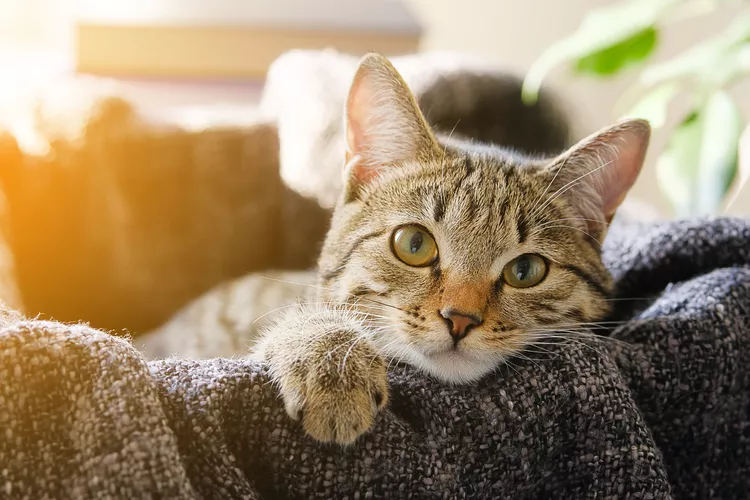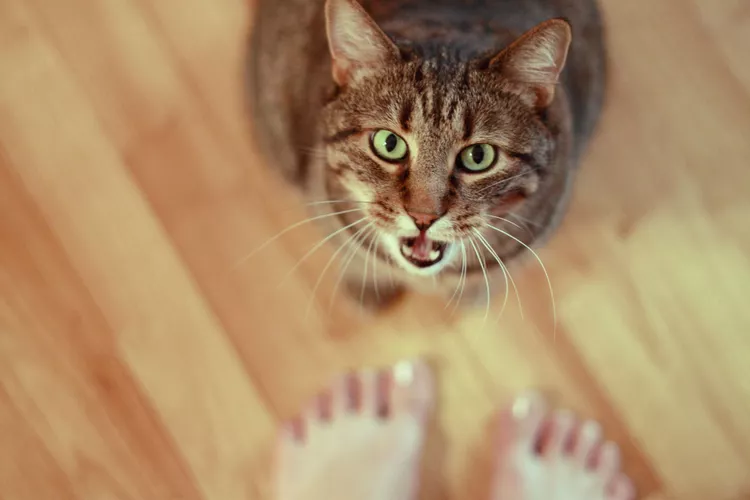
Cats meowing so much can often be misconstrued as a "behavior problem" when it's often completely normal. Cats often just want to talk, though a quiet cat suddenly vocalizing—or vice versa—could mean a trip to the vet.
That excessive vocalization, loud meowing or crying, is sometimes accompanied by other attention-seeking behavior. Reasons for these behaviors can be either physical, emotional, or both, so do some homework on possible causes. Here are some of the activities related to attention-seeking behavior:
Insistent Meowing
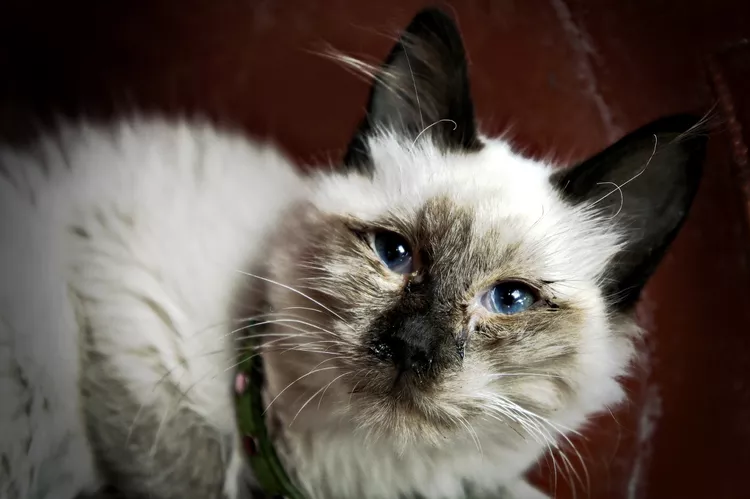
Some cats are very vocal (Siamese and Oriental breeds are famous for this trait). And many cats actually enjoy a back-and-forth feline-human chat and will meow right back at you when you talk (or meow) to them. If you do like to talk back to your cat, enjoy it. If you're not particularly crazy about a "chatty cat," reserve your attention for times when they're quiet.
Some cats will meow for just about everything: greetings, objections, comfort, the list goes on. They may also increase their noise as they age.
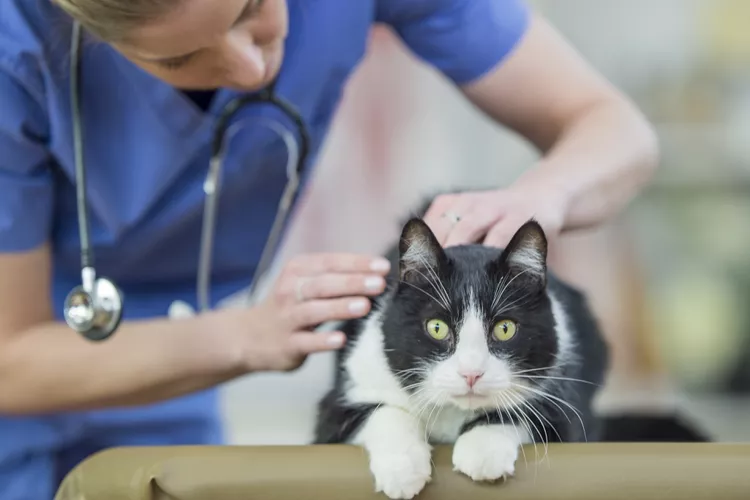
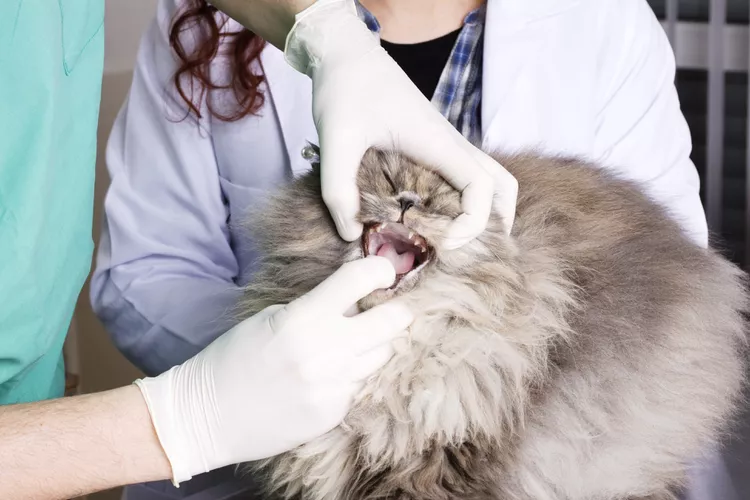
Regardless of your cat's meowing frequency, you should keep listening. If your cat is normally quiet and suddenly starts meowing insistently—or if a normally talkative cat suddenly stops meowing—they could be trying to tell you they're in pain or discomfort. Or, it's possible your cat is gradually going deaf. Go to the vet to rule out medical problems.
Then there's "lost in the night howling." No one knows for sure why some cats do this, but it is most common in geriatric cats in cognitive decline (senility) or ones who are suffering from decreased vision or hearing.
A kind of mournful calling—paired with cats running around with twitching fur on their back —can also indicate feline hyperesthesia. Other medical disorders that can cause excessive vocalization include hyperthyroidism, cancer, and neurologic disease. Head to the vet for a diagnosis.
Watch Now: If Your Cat Could Text, They Would Say This
Begging for Food and Treats
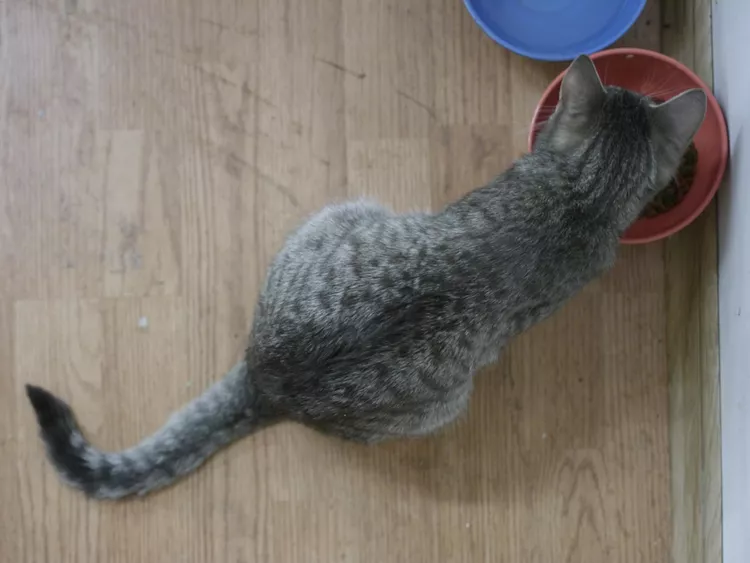
They know we have the food, so they want it and will meow at us to try and get it. Occasional treats are not harmful, and for overweight cats, small, low-calorie treats are a viable substitute when they beg for food.
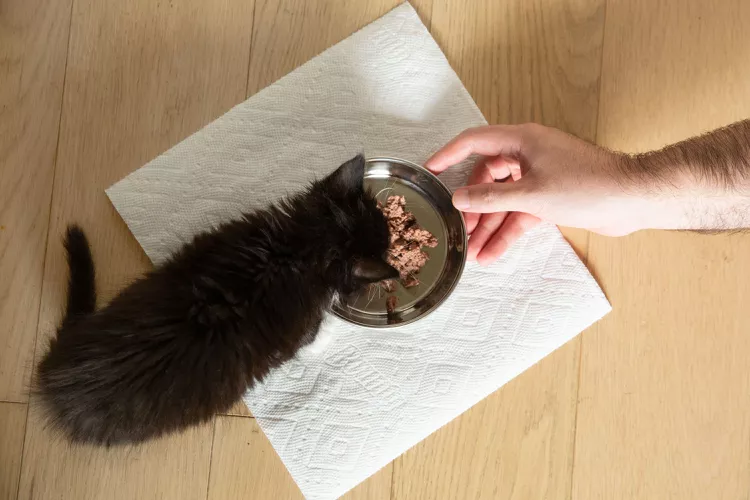
Treats should not comprise more than 10% of your cat's daily calories. Several small meals a day is actually better for cats than one big meal in the morning or evening. Schedule three or four small meals of canned food, picking up the remainder after 20 to 30 minutes. If you need to feed dry food because of your cat's preference or your schedule, give one small meal of dry food in the evening, which you can leave down for the night.
Pawing Your Arm or Leg
Some cats need frequent attention and will paw your arm when you are seated or do the "figure 8" around your legs as you try to walk.
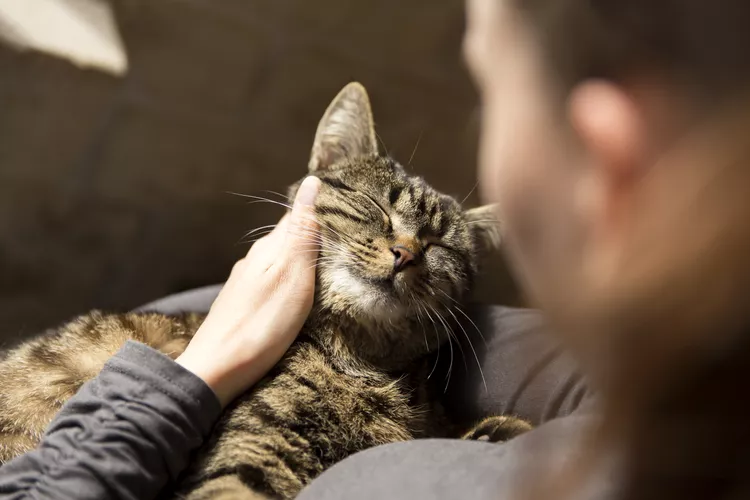
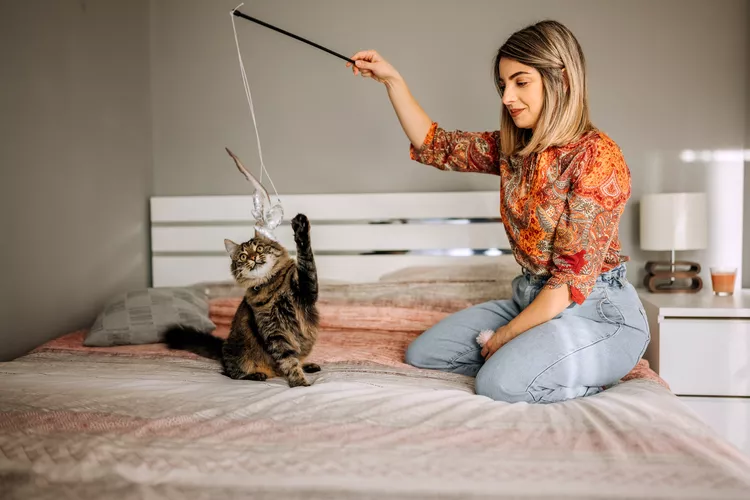
Some cats simply need more human attention. If the cat is the only cat in the household, you may want to adopt another cat for company. Otherwise, try to schedule special times for playing, lap-cuddling, and petting for these cats. Cats like routine, and if they know that lap time is coming soon, chances are they'll leave you alone.
:strip_icc():format(webp)/cats-in-the-bathroom-554029-hero-3d3735d295614a38bad346da9edac558.jpg)
Pica
Although pica (the eating of non-food items) is not necessarily an attention-getting behavior, it certainly works. Pica manifests also in wool-sucking or chewing, and it's particularly dangerous if your cat eats plastics or string-like objects. Wool sucking is common in certain breeds, including Siamese, Burmese, and Himalayans, and it also occurs in cats prematurely weaned or removed from their mothers. Stress seems to be a common denominator in cats with pica.
Because stress is so common in cats with pica, it is important to deal with it. You can often ease anxiety and stress by scheduling regular petting or play sessions in a quiet place and providing plenty of toys, vertical space, and other forms of environmental enrichment. In rare cases, anti-anxiety drugs may be indicated.
Pica can also be related to certain mineral deficiencies, so make sure your kitty's diet is balanced. It is also important to remove the strings, small pieces of plastic, and rubber bands, so they cat can't eat them.
:strip_icc():format(webp)/CatRubbingAgainstLegs-22d7754da3734b13a7145f0727b17488.jpg)
Inappropriate Scratching
Sometimes cats who have plenty of scratching posts and other "legitimate" scratching surfaces still will insist on inappropriately scratching carpeting or furniture. Cats sometimes use inappropriate scratching as communication.
Make sure to offer your cat a variety of scratching posts in different materials and shapes so they can find the one they like the most. You can also use treats and catnip to attract your cat to appropriate scratching posts.
Stress and Anxiety
Many of these attention-getting behaviors can be the result of stress or anxiety, particularly if there have been recent changes in the household, including:
- A recent move
- A newborn baby
- New pet (cat or dog)
- Owner's absence due to a new job or vacation
- Sudden aggression by another cat
- A sickness of the owner or another cat
In these cases, providing environmental enrichment for your cat is paramount.
Doing your homework, knowing your cat's normal behavior, and keeping close watch over behavioral changes can go a long way toward helping your needy cat eliminate attention-seeking behaviors.