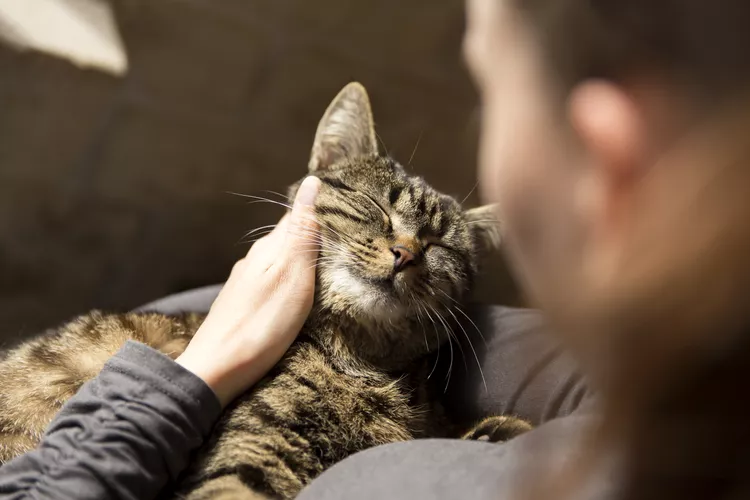
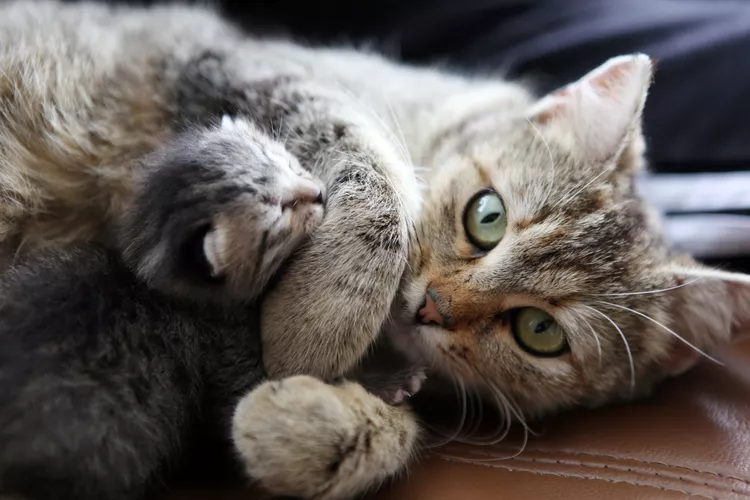
Understanding your sleepy cat is important because cats sleep a good portion of the day. That's typically 12-13 hours per day on average and often longer for senior kitties; and much of that sleep happens during daytime hours. That may make it seem like cats sleep more than any other mammal, however there are many other mammals that spend even more time snoozing including koalas, bats, and opossums.
Your Sleepy Cat
Why do cats sleep so much? There is much that we still do not understand about sleep, however, several theories exist. One idea is that the need for sleep increases in direct proportion to the amount of energy required. Being a predator, the cat has extraordinary energy needs for hunting, and usually uses enormous bursts of energy to stalk, pounce, and wrestle that toy mouse into submission. This can help to explain why their total daily sleep needs are so high. Additionally, cats tend to sleep in short bursts of around 60-90 minutes at a time instead of one long period of sleep. This may be partially explained by their small size and a need to hunt/eat more frequently. Larger animals may be able to consolidate their sleep into a longer period if they can eat a large meal and stay full longer.
Cat-Napping Champs!
The sleep activity of cats, like that of people and many other mammals, is characterized by two main patterns of brain activity; non-REM (Rapid Eye Movement) sleep and REM sleep. This activity has been measured experimentally with an electroencephalograph (EEG) that records waves or pulses of brain activity on a graph.
When awake, the cat's brain broadcasts little bunched-together irregularly peaked waves. But when the cat transitions into non-REM sleep, the cat's brain produces long, irregular waves called slow-wave sleep, which usually lasts 12-15 minutes per sleep cycle. As he dozes in this phase, a cat may lay with his head raised and paws tucked beneath him or sometimes he actually rests sitting up , in which case his muscles stiffen to hold him upright. This way he's ready to spring into action at a moment's notice.
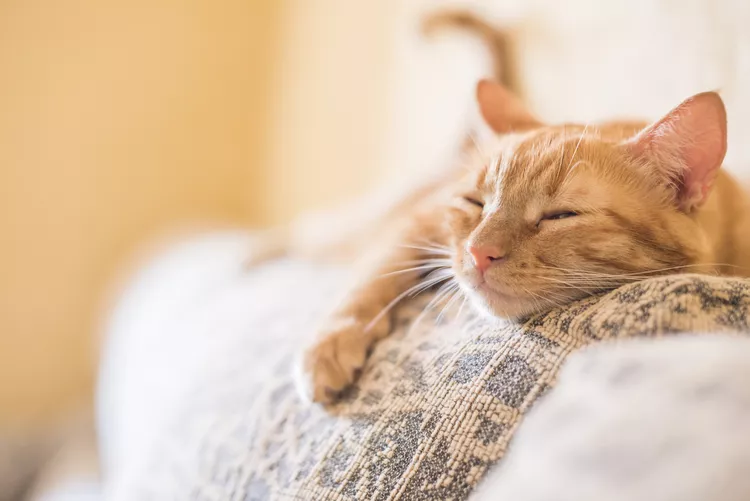
When kitty moves from the light phase into a deeper REM sleep phase, his body relaxes; he stretches out and may roll to one side. His brain patterns change and the waves become smaller and closer together, and are very similar to his waking patterns. This phase is known as REM sleep due to the observed patterns of eye movements during this phase. Cats are fully relaxed and slightly harder to awaken during deep sleep, though they will awaken easily if startled. This phase usually lasts only about 2-10 minutes, and the cat then returns to slow-wave sleep and thereafter alternates between the two phases until he wakes up.
Cats and Dreams
Cats exhibit the same stages of sleep as humans do, and humans dream during rapid sleep. Therefore many scientists theorize that cats dream just as humans do, but we can only guess the subject matter. When those paws twitch or cat-calls spill from the sleeping kitty, perhaps he's chasing dream mice!
Cat's continue to sense sounds and scents most of the time they are asleep.This means they can awaken quickly at the squeak or scent of a nearby rodent. Wake-ups are characterized by a predictable pattern of blinking, yawning and stretching. First the forelegs, then back, and finally rear legs are flexed. Most cats also groom themselves briefly upon first awakening.
While humans may sleep in marathon eight-hour (or longer) sessions, cat sleep commonly consists of short and long naps throughout the day. Habits vary between cats with geriatric and young kittens sleeping more than adults. Sleep time may increase on cold, rainy or cloudy days or when cats are generally understimulated.
Discovery of REM Sleep in Cats
In 1958, William Dement discovered REM sleep in cats. Around the same time, French physiologist Michael Jouvet ushered in what has been called the "golden age" of sleep research. Jouvet called REM sleep paradoxical sleep. Jouvet chose the term "paradoxical" (which means strange or contradictory) because during this phase of sleep, animals showed biological signs similar to those of an awake animal. It was theorized that perhaps they were acting out their dreams in their sleep.
Cats are most active at daybreak and sundown. That's why kitties seem to love playing at these times and can pester tired owners with wake-up calls and bouts of activity. But they typically adapt somewhat to the humans they love, sleeping to coincide with the owner's schedule. That way, they sleep when you are gone and spend more awake time when you are home.