Upper respiratory infections are very common in cats, especially kittens and shelter cats. These contagious infections, which cause runny noses and throat irritation, usually respond well to treatment with antibiotics and supportive care. Some cats can become quite ill, though, and severe cases can progress to pneumonia. Vaccinations help protect cats from most respiratory illnesses and help lessen the severity of infections that do occur.
What Is an Upper Respiratory Infection?
The term upper respiratory infection describes a complex variety of diseases that can occur alone or in combination. Generally, all of these diseases produce a similar set of symptoms that mainly affect the upper respiratory tract (i.e. the nose and throat).
Symptoms of Upper Respiratory Infections in Cats
The symptoms of upper respiratory infections in cats can vary in severity, but typically include any or all of the following:
Upper respiratory infections directly affect the nose, throat, and lungs, and a cat's body may respond with a fever in an attempt to fight off the virus or bacteria. If the infection is not promptly treated, a cat will become lethargic and may refuse food.
What Causes Upper Respiratory Infections in Cats?
The majority of cases are due to viral infections with herpesvirus and/or calicivirus. There are numerous organisms that cause upper respiratory infections in cats, but the common culprits are:
- Feline herpesvirus 1, also called rhinotracheitis virus
- Feline calicivirus of which there are several strains
- Chlamydophila felis, a bacteria
- Mycoplasma spp, a type of bacteria
Kittens and shelter cats are at high risk. Upper respiratory infections are most common in cats who regularly have contact with other cats where cats are housed together in places such as shelters.
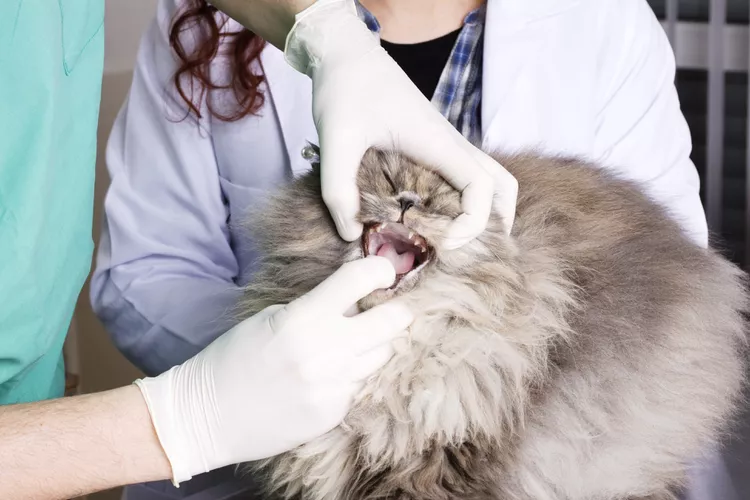
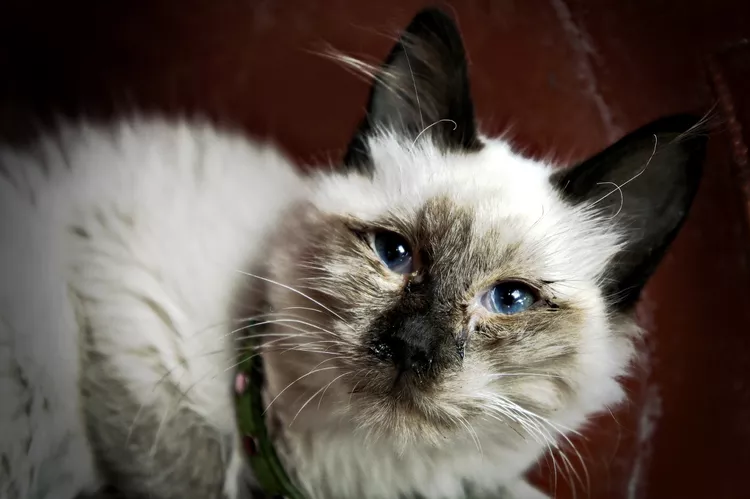
Unvaccinated cats, cats that are under stress, and cats that are immunosuppressed because of conditions such as feline leukemia virus (FeLV) or feline immunodeficiency virus (FIV) are also at greater risk. Flat-faced cats, such as Persians, seem particularly susceptible to upper respiratory infections.
Upper respiratory infections are spread via the discharge from the nose and eyes, either by direct contact with infected cats, aerosol contamination, or by contact with objects like dishes or bedding that have been contaminated with secretions from infected cats.
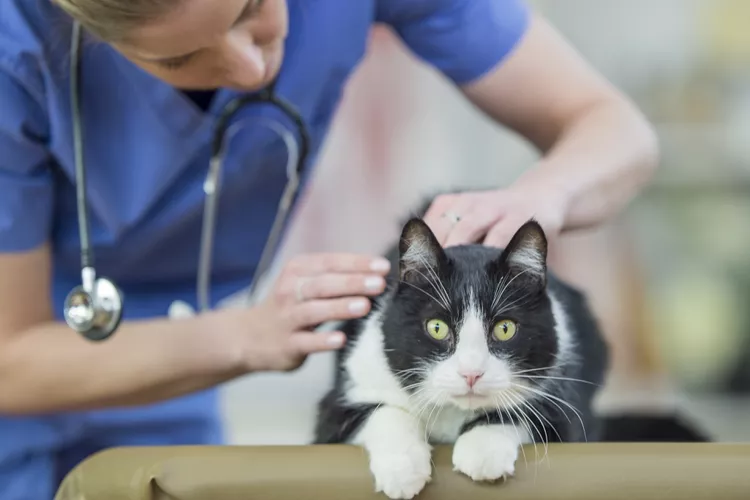
How Do Vets Diagnose Upper Respiratory Infections in Cats?
A diagnosis of upper respiratory infection can often be made on the basis of history and symptoms. Further diagnostic tests can be done by examining the nasal or ocular secretions to identify the organisms causing the disease.
How to Treat Upper Respiratory Infections
For most cats, treatment is aimed at managing the symptoms. Though most cases are caused by viruses, antibiotics may be prescribed to fight bacterial infections that often occur secondarily to viral infections. An eye ointment may be prescribed as well, and medications to help control the nasal congestion and discharge may also be prescribed by your veterinarian.
Cats should be kept quiet and comfortable during the course of an upper respiratory infection. Carefully wipe away discharge from the eyes and nose, and administer all medications as prescribed by your vet. A humidifier can often help with managing congestion and pill pockets can make it easier to administer your cat's medication.
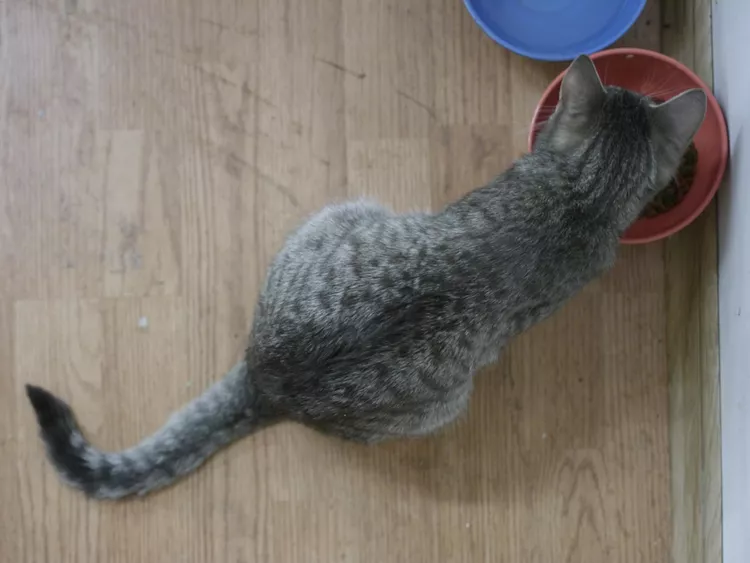
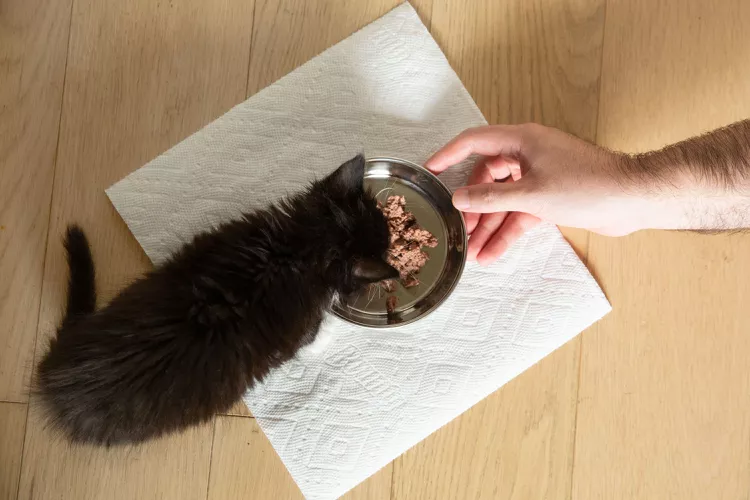
Because cats might lose their sense of smell, their appetites may suffer. You can try feeding their favorite canned food or a prescription diet that provides extra nutritional support if your cat's appetite is diminished. If your cat won't eat or drink at all, consult your veterinarian promptly.
Most cases clear up within 10 days, although sometimes upper respiratory infections will hang on for a few weeks. For cases that do not respond to the usual supportive treatment, antiviral medications can be tried. In cases where cats won't eat or drink or have serious breathing difficulties, hospitalization may be required. Intravenous fluids may be given to prevent dehydration and oxygen therapy can be used if necessary.
Cats that suffer prolonged or repeated bouts of respiratory infections should be checked for FeLV and FIV even if the pet tested negative previously.
Prognosis for Cats with Upper Respiratory Infections
Most cats with mild to moderate infection respond well to supportive treatment with antibiotics as needed. Cats with severe infections or underlying illnesses may have a harder time recovering, are more susceptible to pneumonia, and occasionally die due to complications of respiratory infection.
In the case of a herpes viral infection, cats that recover carry the virus forever and can have flare-ups from time to time. With herpesvirus, the infection is usually only "active" after occurrences of stress and remains asymptomatic the rest of the time.
How to Prevent Upper Respiratory Infections
Vaccines against both herpesvirus and calicivirus are part of the routine vaccination protocol that is recommended by veterinarians. Young kittens are not fully protected until a full series of booster vaccines have been given.
Minimizing stress, as well as preventing contact with infected cats, can also reduce the incidence of upper respiratory infections.
Are Upper Respiratory Infections Contagious to Other Animals?
No matter the cause, viral or bacterial, upper respiratory infections are highly contagious to other cats. It's imperative to keep cats isolated while symptomatic to prevent the spread of the illness to other cats.