There’s something extremely rewarding about picking fresh fruit off a tree you planted yourself. However, caring for fruit trees can also be challenging. Generally, fruit trees are not beginner-friendly. They have very specific climate needs, and they can be prone to pests and fungal diseases that demand spraying, pruning, and other constant vigilance from you.
The following fruit trees are among the most challenging to grow at home. But with some patience and a little skill, they can yield a delicious harvest so much better than anything in the grocery store.
Citrus
Citrus trees are tricky to grow because they are sensitive to freezing temperatures and need a warm climate. Oranges, satsumas, lemons, grapefruit, and limes grow in USDA Zones 8 to 11, so if you are in a cooler climate with freezing winters, you cannot plant them in the ground. In Zones 7 and lower, you’ll need to grow citrus trees in an oversized container and move them indoors in the fall for overwintering. Pruning a citrus tree so that it keeps producing fruit in a pot is tricky, too.
Make sure your citrus tree gets at least 8 hours of sun daily. Plant it in loose, well-draining soil to avoid root rot, and keep an eye out for fungal diseases and pests.
Potted Citrus
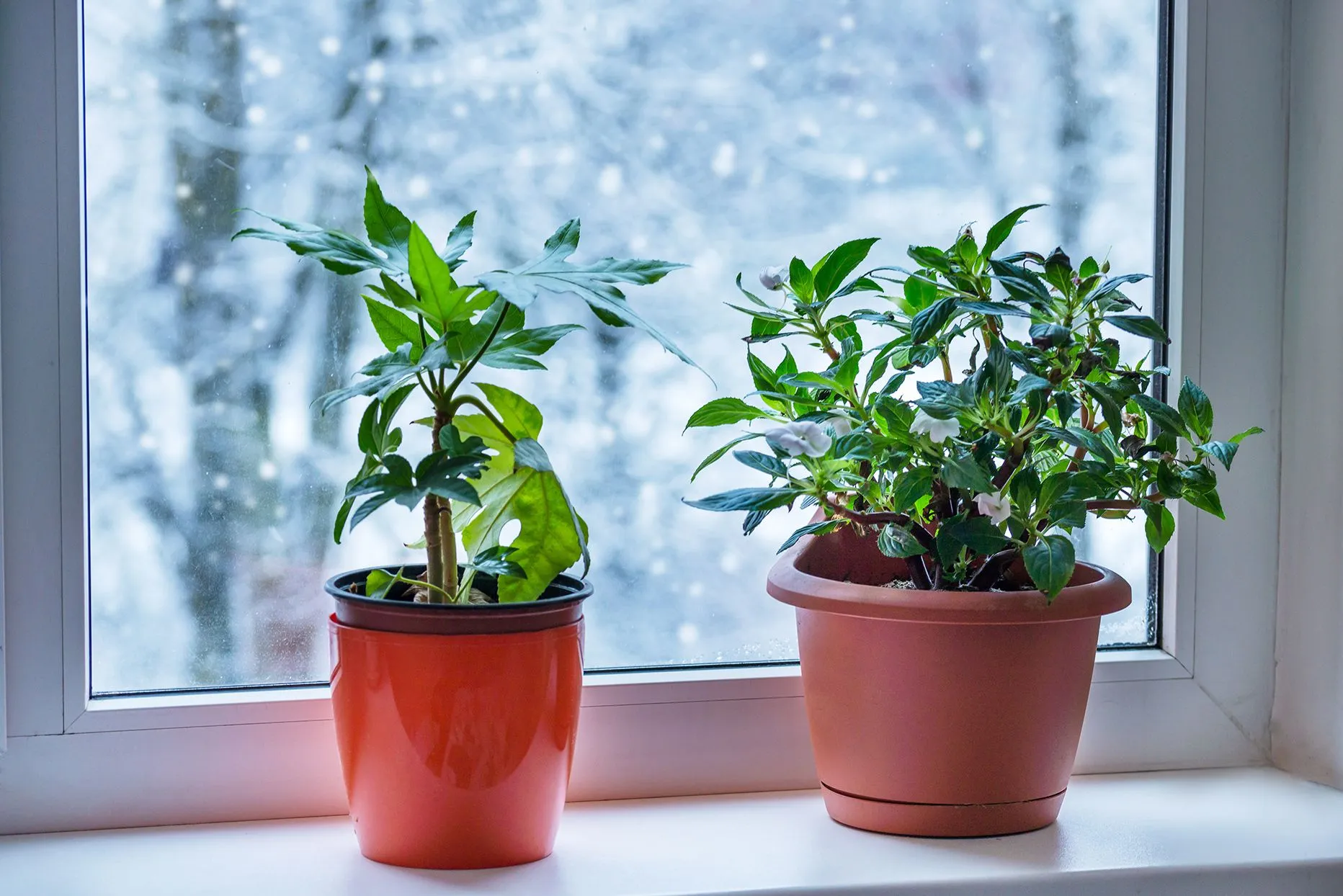
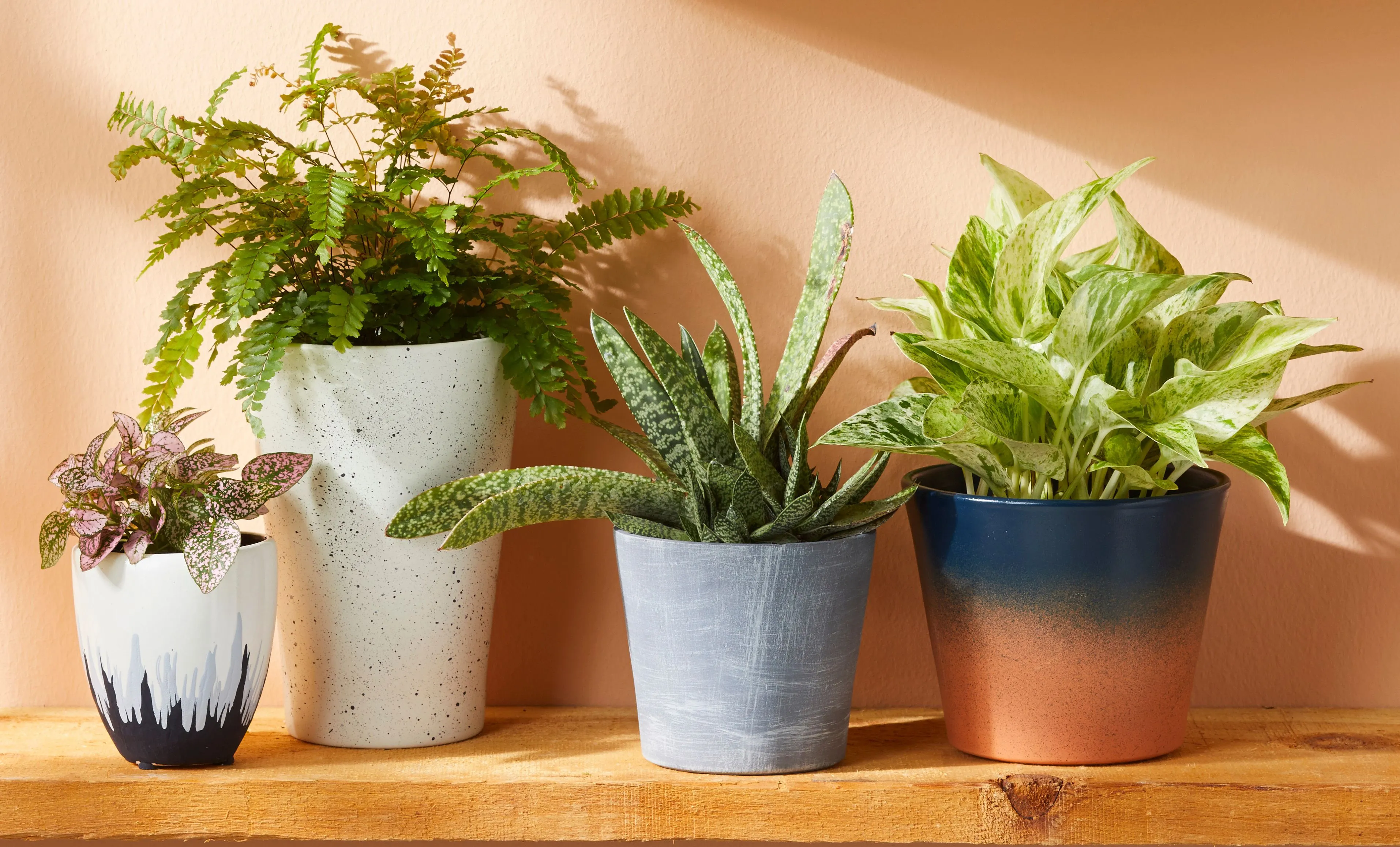
Although growing citrus trees like lemon trees in a container lets you grow citrus in northern locations, keeping potted citrus consistently moist without overwatering is a challenge, as is properly fertilizing the tree.
Look for citrus varieties grafted onto dwarf or semi-dwarf rootstock so the citrus tree stays small and doesn’t need to be pruned or re-potted as often.
Peach
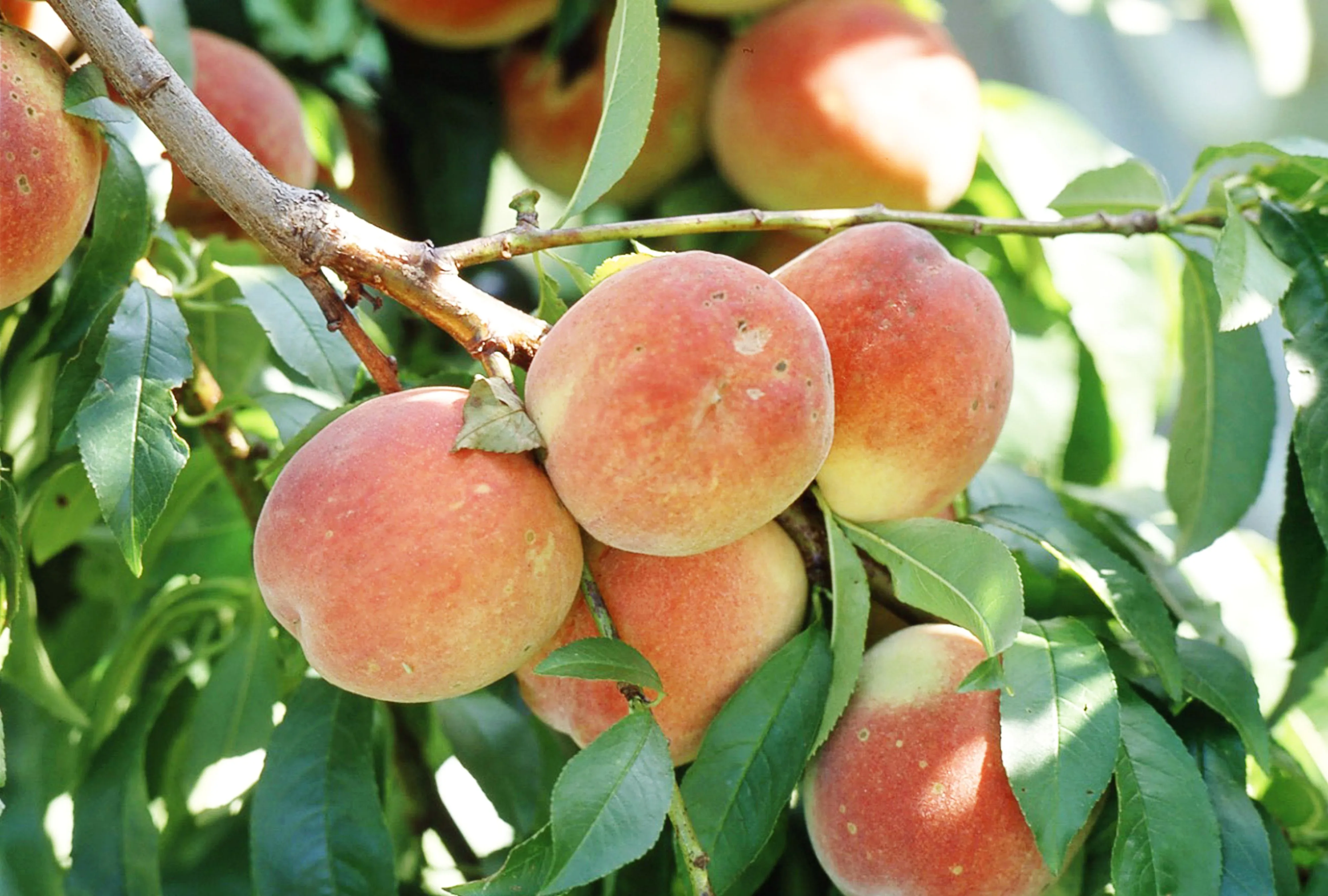
A peach tree needs regular pruning and spraying because these fruit trees are prone to a range of pests and fungal diseases. Peaches need a lot of help from you to produce a successful crop, but even if you’re the most diligent gardener, sometimes a late frost will zap the flowers in spring, and you won’t get any fruit that year.
Another challenge to growing peaches is that, like other temperate fruit trees, they need a certain number of hours of exposure to cold temperatures. They’re called “chill hours,” and they allow the tree to rest and store up energy to make leaves, buds, and fruit. Most peach varieties need 800 to 1,000 chill hours to be their healthiest.
About a month after your peach tree blooms, thin out fruit. Remove smaller peaches, leaving larger ones spaced six inches apart. You’ll get larger, juicier peaches if you reduce the crop size early in the season.
Related
Apple
Apple trees aren’t easy to grow because they need consistent care, including precisely timed spraying and pruning, to maintain productivity. Make sure to choose an apple variety suited to your climate, as apples also need a certain number of chill hours to make fruit. Chill times for apples range from 500 to 1,000 hours. depending on the variety. For example, Fuji and Gala apple trees need 600 hours of chill time, while Anna only needs 300 hours of chill time. Chill time temperatures need to be between 32 and 45°F.
Avocado
Avocado can be tough to grow because it needs a tropical or subtropical climate and specialized care in temperate regions. Avocado trees thrive in Zones 9 to 11, requiring warm, frost-free climates. Most avocado trees don’t produce fruit until they are at least five years old, so you need to be a patient gardener. Avocado trees grown indoors in a container may never fruit at all.
If you live in a colder climate, plant a cold-hardy avocado that can tolerate Zone 8b. Wrap it in a blanket when temps dip below freezing and plant it in an area protected from wind.
Olive
Hailing from a temperate Mediterranean climate with hot, dry summers and mild, wet winters, olives are sensitive to frost and need well-drained soil. It can be difficult to get an olive to fruit outside of a subtropical climate. Make sure the tree gets at least 6 hours of light each day. Putting them in a container is one way to grow olive trees in a cold climate because you can overwinter them indoors. Supplement with a grow light if necessary.
When growing an olive tree in a container, use a potting blend designed for palm and citrus because it has micronutrients the plant needs and won’t hold too much moisture around the rot-prone roots.
Plum
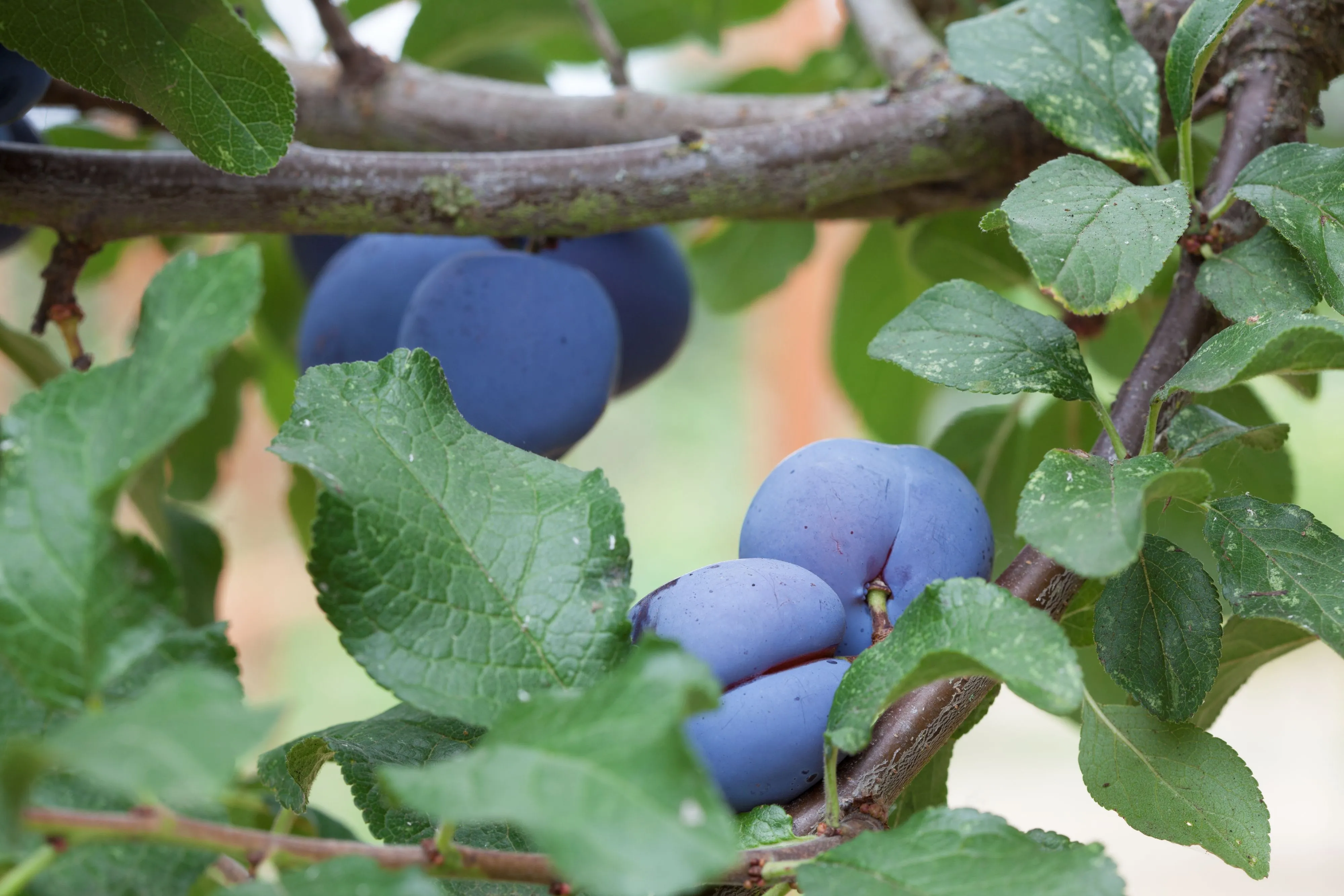
Plums have many of the same issues as peach trees. Some types of plums—namely Japanese and American plums—need to be planted with other plum trees so they can cross-pollinate, while other varieties can self-pollinate, so you only need to plant one tree to get fruit. If you have limited space, look for self-pollinating plums that are semi-dwarf or dwarf trees that stay smaller. Keep in mind, though, even self-pollinating plum trees will be more productive if they cross-pollinate with other plums.
Match your plum to your climate for best results. If you live in an area with cold winters, plant an American hybrid plum variety like ‘Alderman’ or ‘Superior’ that can thrive in Zone 3. For areas with moderately cold winters, plant a European plum variety like ‘Stanley’. If you live in an area with mild winters, plant a Japanese variety of plum like ‘Satsuma’.
- <span>Gardening</span>
- <span>Edible Gardening</span>
- <span>Growing Fruit</span>