- Place money trees in medium to bright indirect light, rotate regularly, and water every 1–2 weeks, letting the soil dry slightly.
- Maintain temperatures above 65°F and increase humidity if your home is dry. Prune yearly in spring to remove dead growth.
- Repot root-bound plants, reduce water if leaves are yellowing, and manage pests with neem oil or insecticidal soap.
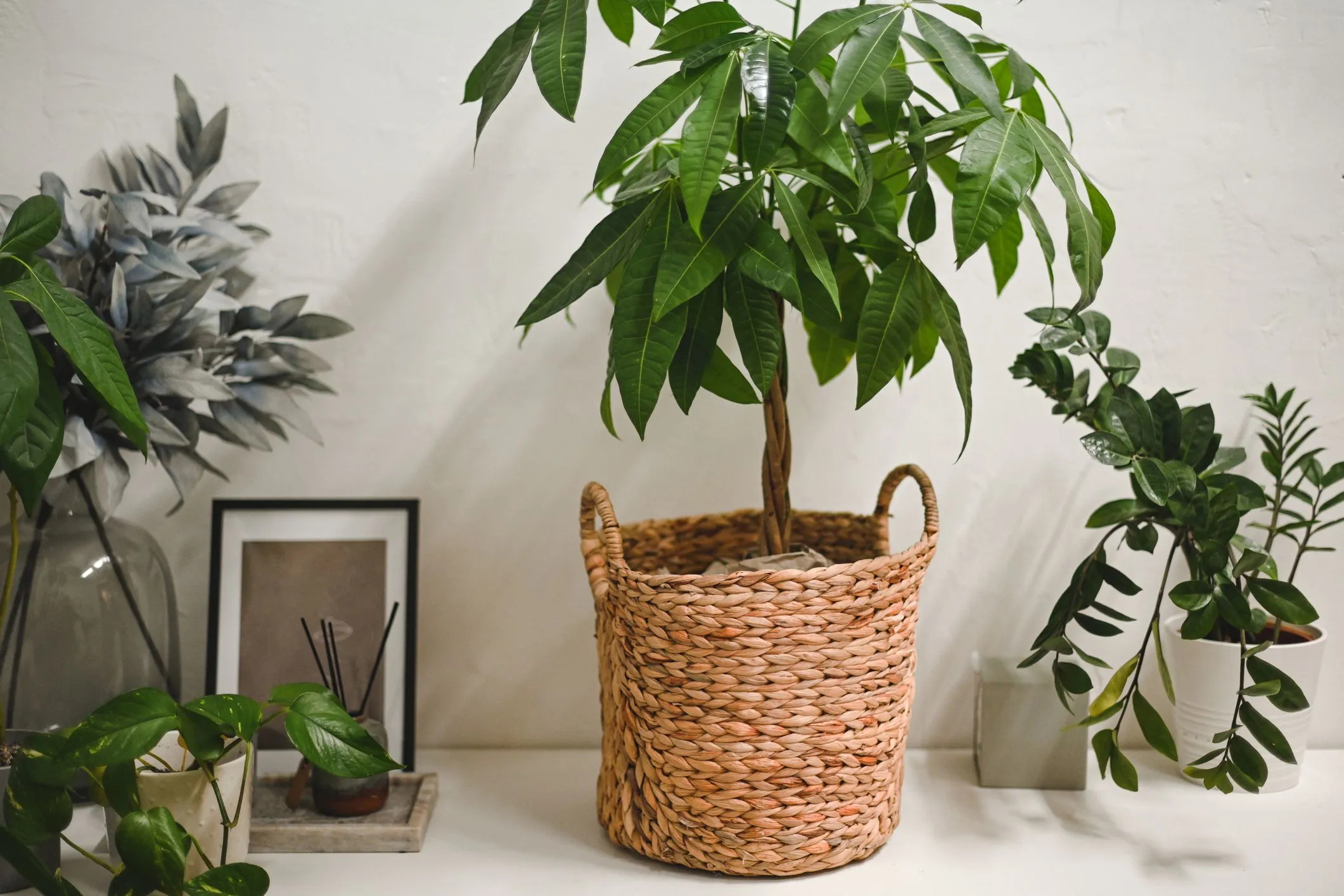
With their distinctive leaves and sometimes a braided trunk, money trees are popular houseplants that are said to bring good fortune. Money trees sold as houseplants are one of two species: Pachira aquatica or Pachira glabra. Both of these plants look similar when grown indoors in pots. Their differences are more obvious when they flower and fruit, which only occurs in their native habitats in Central and South America.
When given the right care, your money tree can thrive for years, and may even give you some financial luck.
Money Tree Overview
| Genus Name | Pachira spp. |
| Common Name | Money Tree |
| Additional Common Names | Money Plant, Water Chestnut |
| Plant Type | Houseplant, Tree |
| Light | Part Sun |
| Height | 6 to 8 feet |
| Width | 2 to 3 feet |
| Foliage Color | Blue/Green |
| Zones | 10, 11 |
Money Tree Care Tips
Money trees adapt well to a range of indoor conditions. By following these guidelines, you will keep them looking their best.
Related
Light
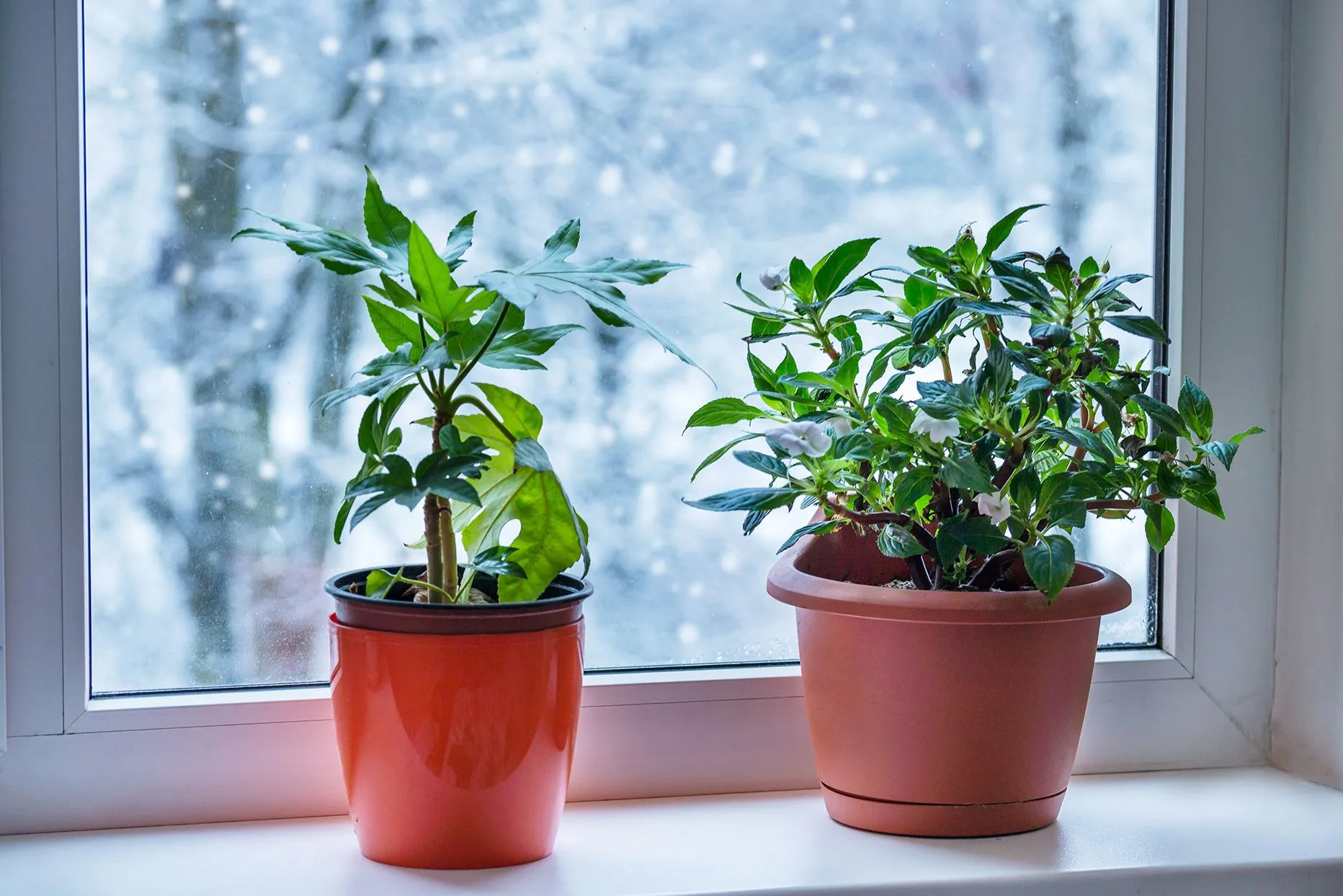
A money tree should be placed in a location with medium to bright indirect light. Avoid strong direct sunlight, which can cause sunburn. While money trees can tolerate low light, they may lose their luster and gradually decline. To encourage even growth, rotate the plant with each watering.
Soil and Water
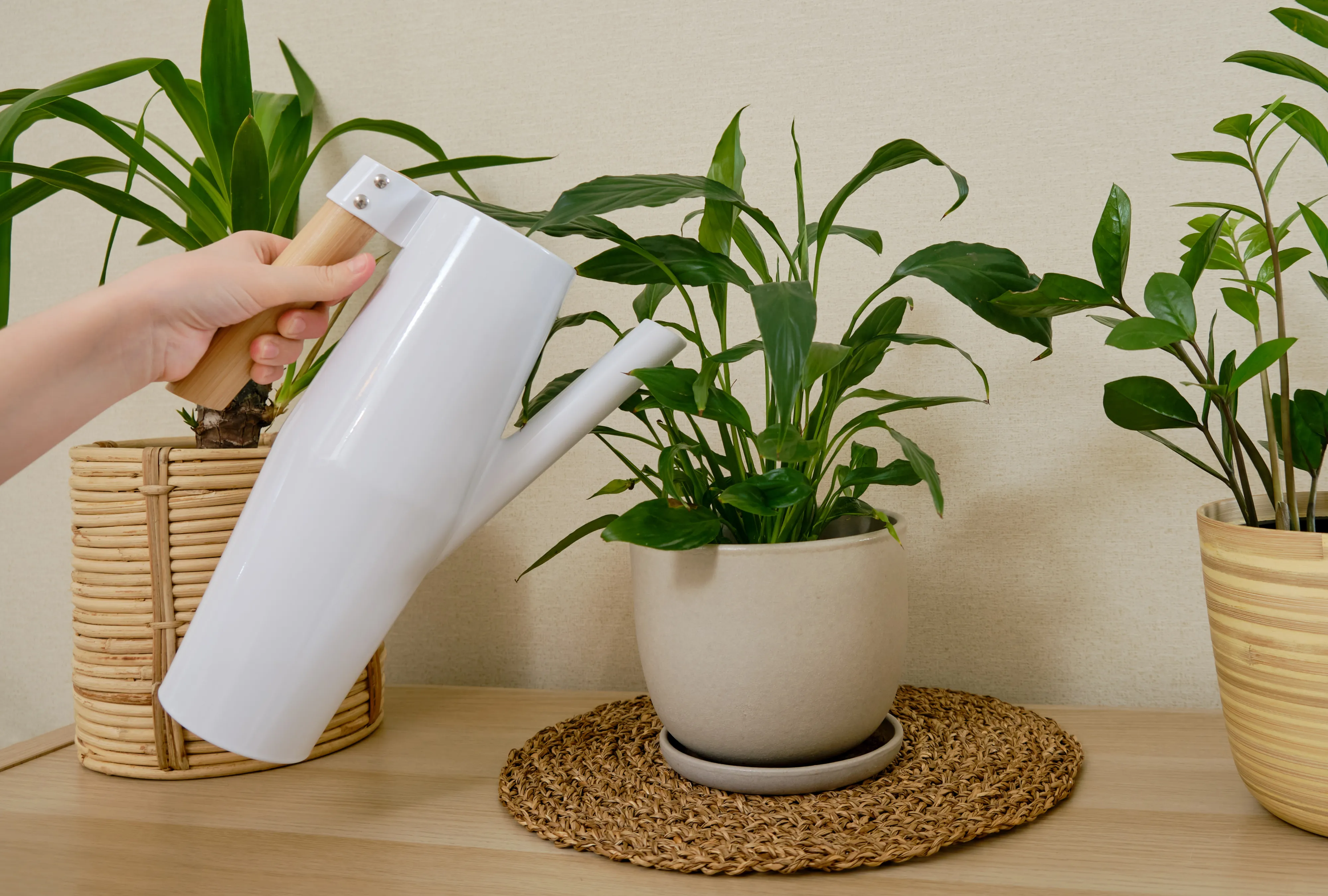
Use a general-purpose potting mix that drains well. Water your money tree every 1–2 weeks, allowing the potting mix to dry out a little between waterings to avoid overwatering and root rot.
Temperature and Humidity
Good money tree care involves more than just watering—it includes the right indoor environment. The indoor temperature should not dip below 65°F. Money trees can tolerate typical indoor humidity levels but also benefit from increased humidity. To increase humidity levels around your plant, use a humidifier, set up a pebble tray, and/or group plants with similar care requirements together.
Pruning
Money trees don’t need frequent pruning. The only pruning your plant may require is removing dead or dying stems and leaves. Prune your money tree in the spring when it’s entering its strongest growth period. Since the plant doesn’t respond well to sudden changes, this timing helps reduce stress. Avoid pruning it if the plant is unhealthy, as it may not recover easily. To maintain its shape and size, make pruning a yearly care routine.
For a braided trunk, braid young, flexible trunks with at least three stems, and loosely secure the braid at the base with soft string or a twist tie.
Potting and Repotting
Money tree houseplants are easy to repot following these steps:
- Remove the plant from its current pot by turning your plant sideways and tapping the bottom of the pot until the plant’s root ball loosens enough to slide the entire thing out. You might need to give it a bit of help with a couple of gentle tugs on the base of the stems.
- Loosen the plant’s roots gently with your fingers. Prune off any threadlike roots that are extra long, but leave the thicker roots at the base of the foliage. If your plant is root-bound (the roots are growing in very tight circles around the base of the plant) untangle the roots as best you can and give them a trim.
- Remove at least one-third or more of the old potting mix surrounding the plant’s roots. As it grew, your plant removed some or all of the nutrients in the current mix, so you’ll want to give it fresh potting mix.
- Pour a layer of fresh potting soil into the new planter and lightly press it down.
- Set your plant on top of the fresh mix in the planter, making sure it’s centered.
- Add more potting mix around the plant’s roots until your money tree sits securely in its new pot.
- Water well, allowing the excess to drain out the bottom of the pot.
A freshly repotted money tree does not need additional fertilizer if the potting mix already includes some. Otherwise, provide liquid fertilizer once a month when you water.
Pests and Problems
If you see money tree leaves turning yellow, it’s often a sign of overwatering. Curling leaves is a sign of underwatering. Leaves falling off often indicates your plant isn’t getting enough light.
Many common houseplant pests such as scale, spider mites, and mealybugs will attack money trees. A strong spray of water can help reduce populations, but for severe infestations, use neem oil or insecticidal soap to get rid of the pests.
How to Propagate Money Trees
Money trees are best propagated by cuttings rooted in soil by following these basic steps:
- With clean pruners, cut off a healthy section of the stem that has multiple nodes towards the bottom of the cutting. These nodes are where new roots will begin.
- Dip the bottom of the cutting in rooting hormone.
- Stick the stem into fresh, pre-moistened potting mix.
- Firm the mix down around the base of the stem to secure the cutting in place.
- Water well, allowing the excess to drain.
- Set your potted money tree cutting in a warm spot with indirect light, and water when dry.
Frequently Asked Questions
- Can you grow money trees outdoors?
Money trees are native to warm climates in Central and South America and will only survive mild winters in USDA Hardiness Zones 10 and 11. In colder regions, you can move potted money trees outdoors in summer and back inside in the fall.
- Where did money trees get their name?
According to lore, a poor farmer had such great luck selling Pachira plants that he nicknamed them after his good fortune.
- Why are money tree stems braided?
In their native habitat, the trunks of money trees are not naturally braided. This is commonly done with money trees sold as houseplants to “lock in” the good fortune associated with the plant.
- <span>Gardening</span>
- <span>Houseplants</span>
- <span>Caring for Houseplants</span>
<em>“Money tree (Pachira aquatica): Home.”</em> NYBG LuEsther T. Mertz Library Plant & Research Guides. 2025.